Solar Panels in the Winter: What UK Homeowners Should Expect (and What to Do)
Solar panels work all year in the UK. Winter just changes the rules a bit. This guide covers what’s normal, what’s worth checking, and what to ignore.
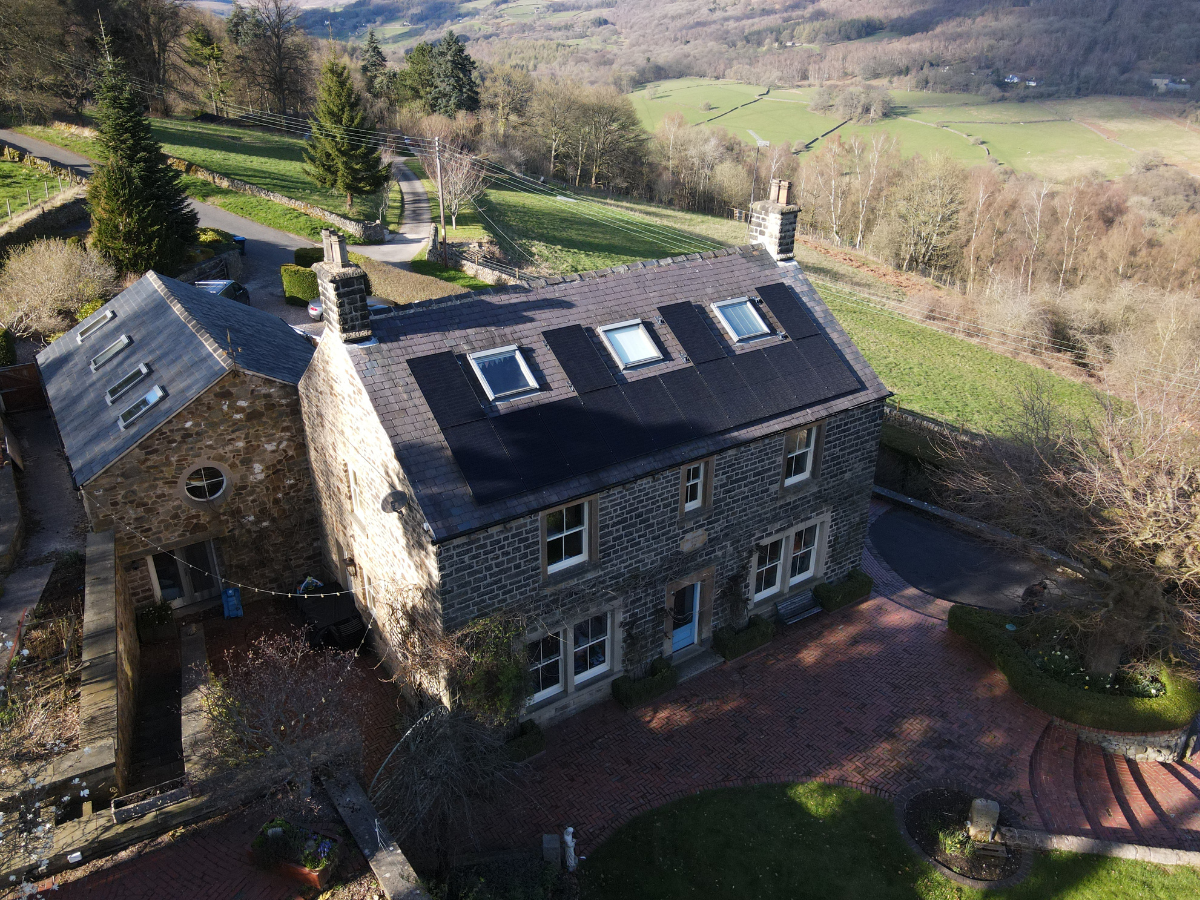
1) will solar panels work in winter?
Yes, solar panels will work in winter. Solar panels generate electricity from daylight, not heat. Cold weather can actually help panels run efficiently. The reason output drops is mainly shorter days and weaker sunlight.
What to expect:
UK winter output is often around 20 to 30% of peak summer output on average.
A typical home solar PV system might generate a few kWh on a winter day, and much more on a clear, cold day.
If your app looks “quiet” in December, that’s usually normal.
2) Why does winter output drop?
Three main reasons:
Shorter daylight hours
Lower sun angle (the sun sits lower in the sky, so light is less direct)
More cloud cover
Shading can matter more in winter too, because long shadows show up from trees, chimneys, neighbouring buildings.
3) Snow, ice, rain, wind: should you worry?
Most of the time, no.
Snow
Snow can pause generation if it fully covers panels. In the UK, it’s often brief. Panels are installed at an angle so snow tends to slide off as it warms.
If you’re thinking of clearing snow:
Only do it if you can reach safely from the ground.
Use a soft brush.
Don’t climb onto a roof.
Don’t use hot water or anything sharp.
Frost and ice
Frost usually clears quickly once daylight hits the panels. Your system is designed for outdoor conditions.
Rain and wind
Rain often helps clean panels. Wind and storms are what good mounting systems are built for. After a big storm, it’s sensible to do a quick visual check from the ground.
4) Battery storage in winter: what changes?
Batteries can be slightly less efficient in very cold conditions, and some systems reduce charging speed to protect the cells. In most UK homes, battery location makes a bigger difference than the weather.
Best practice:
If your battery is installed somewhere that gets cold, don’t panic. Many modern batteries have built-in temperature management, so they can operate effectively through a typical UK winter. A more stable indoor spot can still help, though, and an outdoor-rated enclosure or shelter can protect the kit from the worst of the weather and keep everything tidier.
Keep vents clear and don’t stack things against it.
Expect the battery to fill less often in winter simply because there’s less spare solar to charge it.
Winter is when smart tariffs and scheduled charging often matter most.

5) Pre-winter checks that are actually worth doing
Things you can safely do yourself to prepare your solar system for the winter:
Check your monitoring app is still connected and updating.
From the ground, look for obvious issues: slipped panel, debris build-up, cracked glass (rare).
Clear gutters if they overflow near cables or equipment.
If panels are visibly filthy, rinse gently with a hose on a mild day (no pressure washer).
Maintenance and checks to leave to a professional:
Anything involving the roof, wiring, isolators, or inverter internals.
Any repeated inverter faults or error codes.
6) Using energy smarter in winter
Your home typically uses more electricity in winter, and solar provides less. The win is making the most of what you do generate, and reducing expensive peak-time imports.
Practical tips:
In winter, off-peak tariffs are often the best option for energy-hungry appliances like washing machines and dishwashers. On brighter winter days, running them during daylight can still make sense if your system is generating well.
If you have a battery, review settings so it supports your evening peak period.
If you’ve got an EV, winter is usually the time for off-peak charging rather than trying to “solar charge” it.
If you use an immersion heater, consider timing it to cheaper periods, with solar as a bonus top-up.
7) Is winter a bad time to install solar?
Not really. Installers work year-round and winter installs are common. The main difference is weather scheduling and shorter days.
A winter install can be a good move because:
You’re set up before spring and summer generation ramps up.
You avoid the spring rush.
Quick solar panels in winter checklist
Monitoring app working and updating
Visual check from ground level for debris or damage
Gutters clear
Battery area uncluttered and ventilated
Battery and inverter showing normal status
Consider tariff or battery schedule changes for winter
A final reality check
If your system produces less in winter, that’s expected. The goal in winter is often not “run the whole house on solar”. It’s “reduce what you buy from the grid, and buy the rest at the best times”.